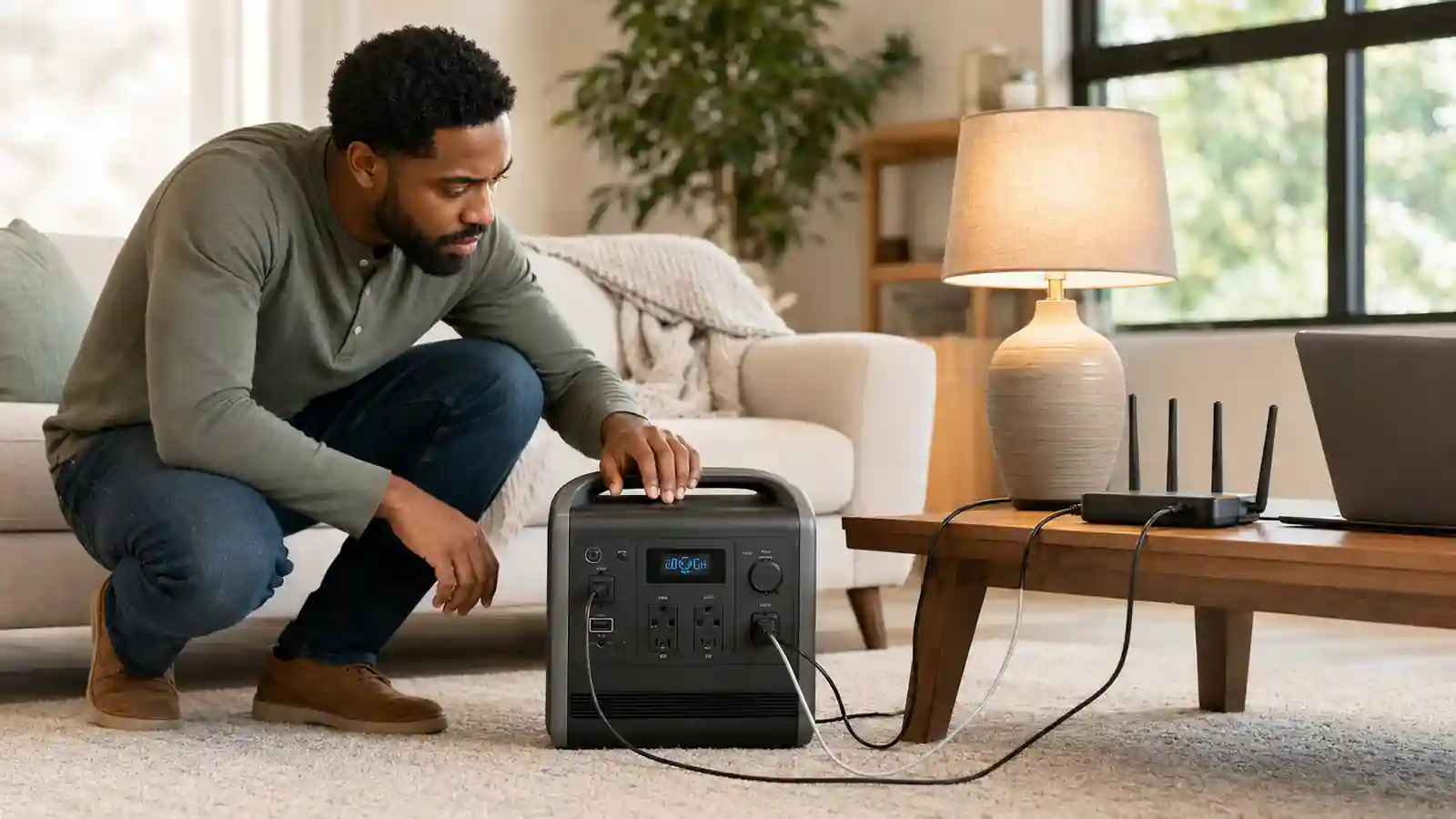
Buy the Right Power Station. Not the Most Expensive One.
A low price can feel like a bargain. But a portable power station that cannot run your essentials—or fails without useful support—costs more in the end.t...
This guide helps you compare choices in plain English. You will learn which numbers matter, how to test brand promises and when paying a little more protects your budget.
Quick Recommendation
Buy for the job, then check the company.
List the devices you truly need, choose enough usable battery capacity, confirm safe output and only then compare price. A dependable warranty and responsive support often matter more than a flashy extra feature.
Start with the life you want to keep running
Do not begin with a brand or a sale price. Begin with the devices that matter during an outage, camping trip, or day of outdoor work. Write down your lamp, router, phone, laptop, fan, television, fridge, or medical device.
Choose the devices before the battery
Next, decide how many hours each device must run. That simple list gives you a much safer budget than buying the largest unit you can afford. Our budget and capacity guide explains where saving money is sensible and where it creates frustration.
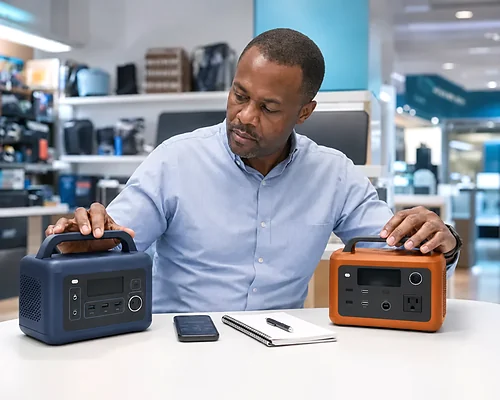 Compare products only after you know what you need to power.
learn From experience
I have seen buyers choose by battery size alone, then discover that the unit cannot start the appliance they bought it for. Capacity tells you how long; output tells you what it can run. You need both.
Allow a sensible safety margin
A unit should not operate at its absolute limit every day. Leave room for normal energy loss, a device that uses more power when starting, and an extra phone or lamp. If your needs may grow, read how expandable battery systems work before replacing the whole unit later.
key takeaway
The best-value size is the smallest unit that meets your real needs with a reasonable margin.
Compare what you can use, not what the box promises
Two models can show the same battery number and perform differently. The advertised watt-hours describe stored energy under test conditions. You receive less at the sockets because the power station uses some energy to operate and convert electricity.
Look beyond headline capacity
Check independent tests for usable capacity, steady output, charging time and noise. Be cautious when a seller mixes peak power with normal output or shows a large number without clear test conditions. Learn the usual warning signs in our guide to avoiding fake capacity claims.
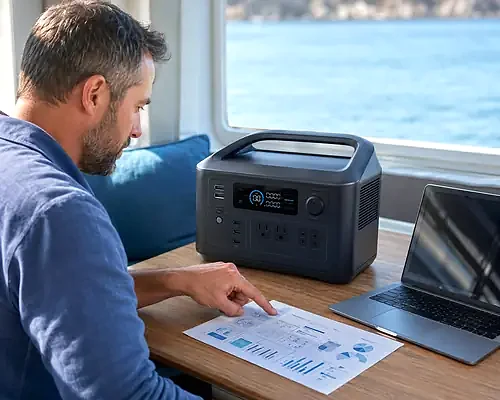 Treat specifications as a starting point, then look for independent results.
Compare lifetime value
A fair comparison includes purchase price, expected years of use, battery cycle life, charging options, replacement parts and warranty support. A refurbished model can stretch a limited budget, but only when battery health, return terms and seller reputation are clear. Use this refurbished buying guide before paying.
What “good value” really means
A low price does not automatically make a portable power station good value. Compare what you can actually use, how long the product should last, and the support available if something goes wrong.
| Compare | Weak signal | Better evidence |
|---|---|---|
| Capacity | Largest printed watt-hour number | Independently tested usable energy |
| Output | Peak or surge power claim | Continuous output that matches your appliances |
| Battery life | A general “long-lasting” claim | Battery chemistry, cycle rating and warranty coverage |
| Brand | Popularity or social-media followers | Reliable support, authorised sellers and available parts |
| Price | A large advertised discount | Total ownership value over the product’s useful life |
Judge the company you may need after the sale
A portable power station is not just a battery in a box. Firmware, cooling, electronics and charging systems work together. If something fails, the quality of the company behind it becomes part of the product.
Test support before you buy
Send the manufacturer a clear question. Note how quickly and specifically they reply. Check whether warranty service exists in your country, who pays return shipping and whether the seller is authorised. Our warranty comparison points will help you read beyond “five-year warranty.”
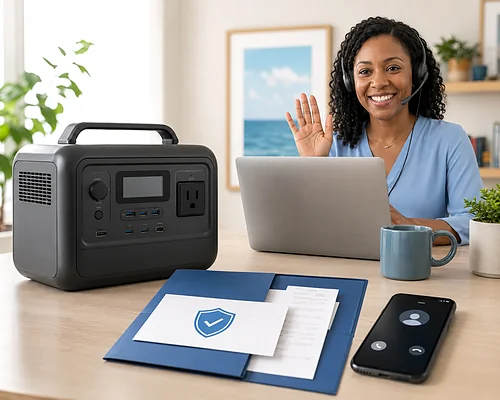
my experience
Look for battery and electrical safety testing that matches your market. Certifications do not make a product perfect, but unexplained marks or missing documents deserve caution. Use our plain-English guide to battery safety certifications to verify unfamiliar labels.
Brand confidence check
- Authorised sellers in your region
- Independent long-term reviews
- Parts, cables and repair route available
- Clear company address and support channels
- Written warranty with exclusions explained
- Very after-sales customer friendly
Common buying mistakes that waste money
Buying the biggest discount
A countdown timer does not prove value. Compare the final price with normal market prices and verified performance.
Trusting one review
Use several independent tests. A sponsored demonstration may not show long-term battery or support problems.
Ignoring the output limit
A large battery can still have a small inverter. Confirm continuous output for every device you plan to run.
Forgetting local support
Cheap overseas shipping becomes expensive when a heavy faulty unit must be returned at your cost.
from shortlist to one confident choice
Once three or four models meet your power needs, score them on the same factors. This removes much of the emotion created by limited-time offers and popular brand names.
Use one fair comparison
Give each model a simple score for usable capacity, steady output, charging, warranty, support, safety and total price. Then read reviews for your exact model—not the whole brand. Our complete buying checklist keeps the decision organised.
Choose “best for you,” not “best overall”
The best portable power station depends on the job. A camper may value low weight and solar input. A home user may need more output, quieter fans and fast mains charging. The right model is the one that meets your priorities without charging you for features you will not use.
 A well-sized unit quietly keeps the essentials running when the grid goes off.
Practical recommendation
Before checkout, wait one day. Read your needs list again and confirm the return window. If the same model still fits without relying on hopeful assumptions, you are ready to buy.
READY FOR YOUR NEXT STEP?
Choose with clarity—not pressure.
Work through the detailed guides above, then use your sizing results to create a shortlist that truly fits your home, trip and budget.
About The Author
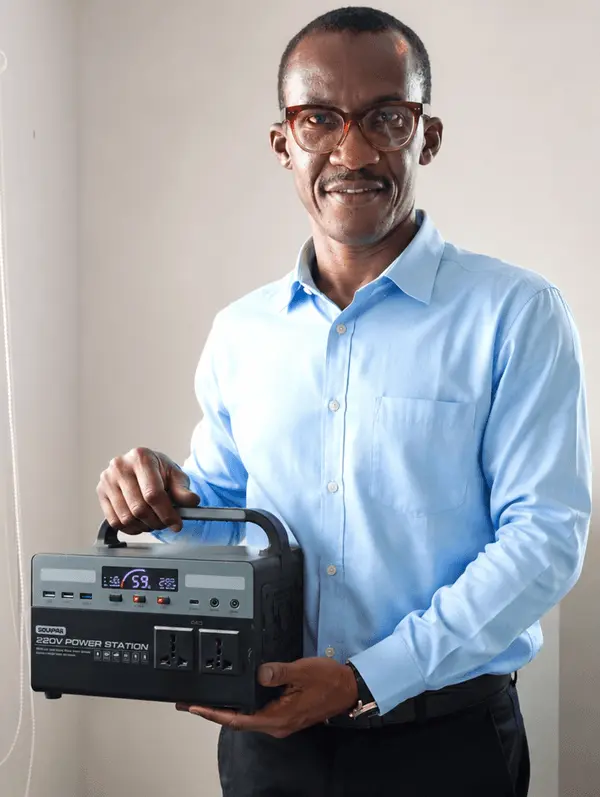
I'm Kaycee. I created Power With Confidence to help you make sense of portable power stations without feeling overwhelmed by technical jargon or pushed into overspending. After spending 3 years using portable power solutions in various situations, my goal is to share practical, honest guidance that helps you buy with more clarity and confidence.
Portable Power Station Runtime Calculator
Build your household load list and estimate how long a battery may power it.
Household Appliance Loads
| Appliance | Appliance Watts | Appliance Quantity | Hours Per Day | Daily Energy Consumption (Wh) | Remove |
|---|
Battery Runtime Calculator
Estimate only. Appliance cycling, starting demand, temperature, battery age and the power station’s own consumption can change real runtime.

Explore The Web
THIS CONNECTS ONE LINK
THIS IS THE RELATED PAGES
TO THE SALES PAGE